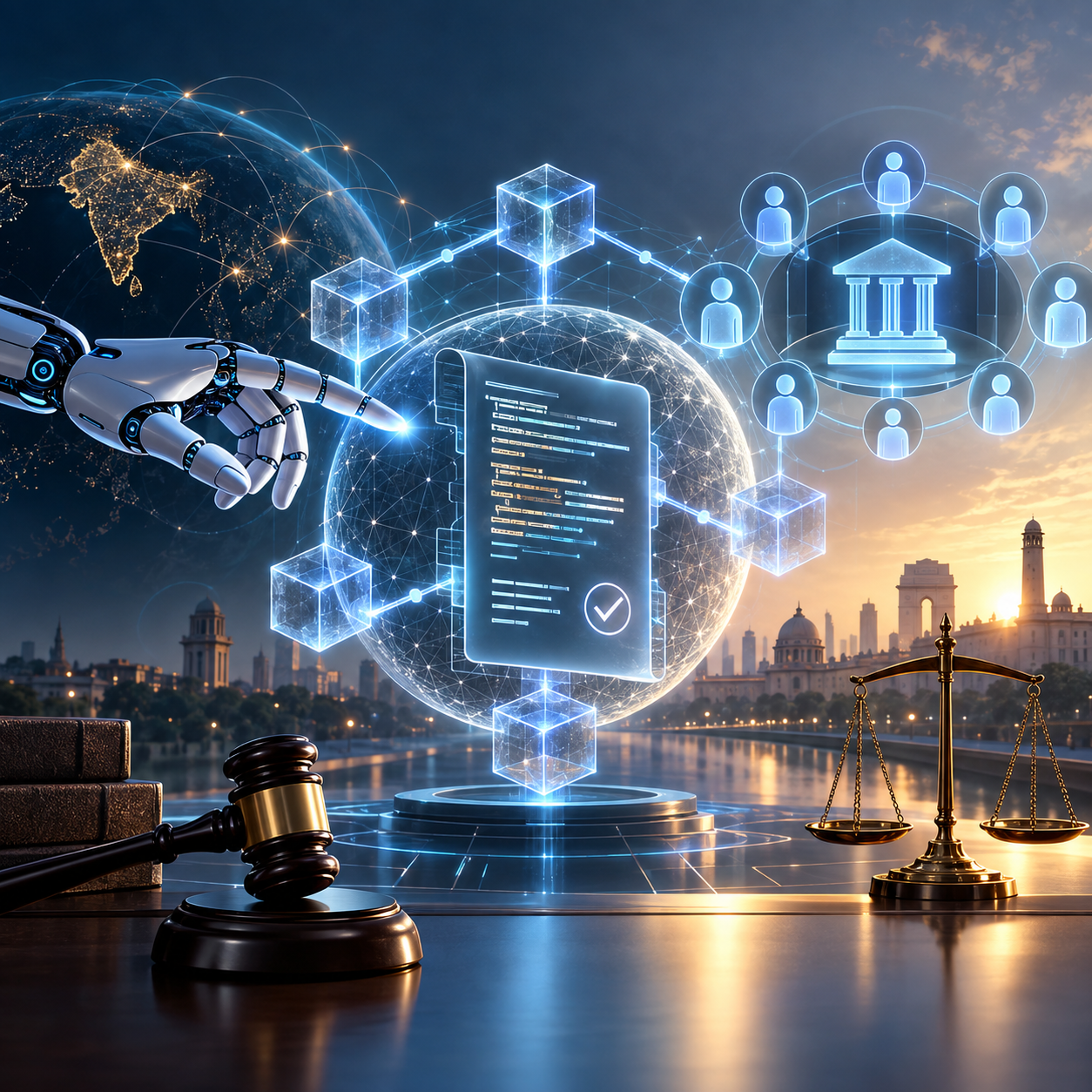

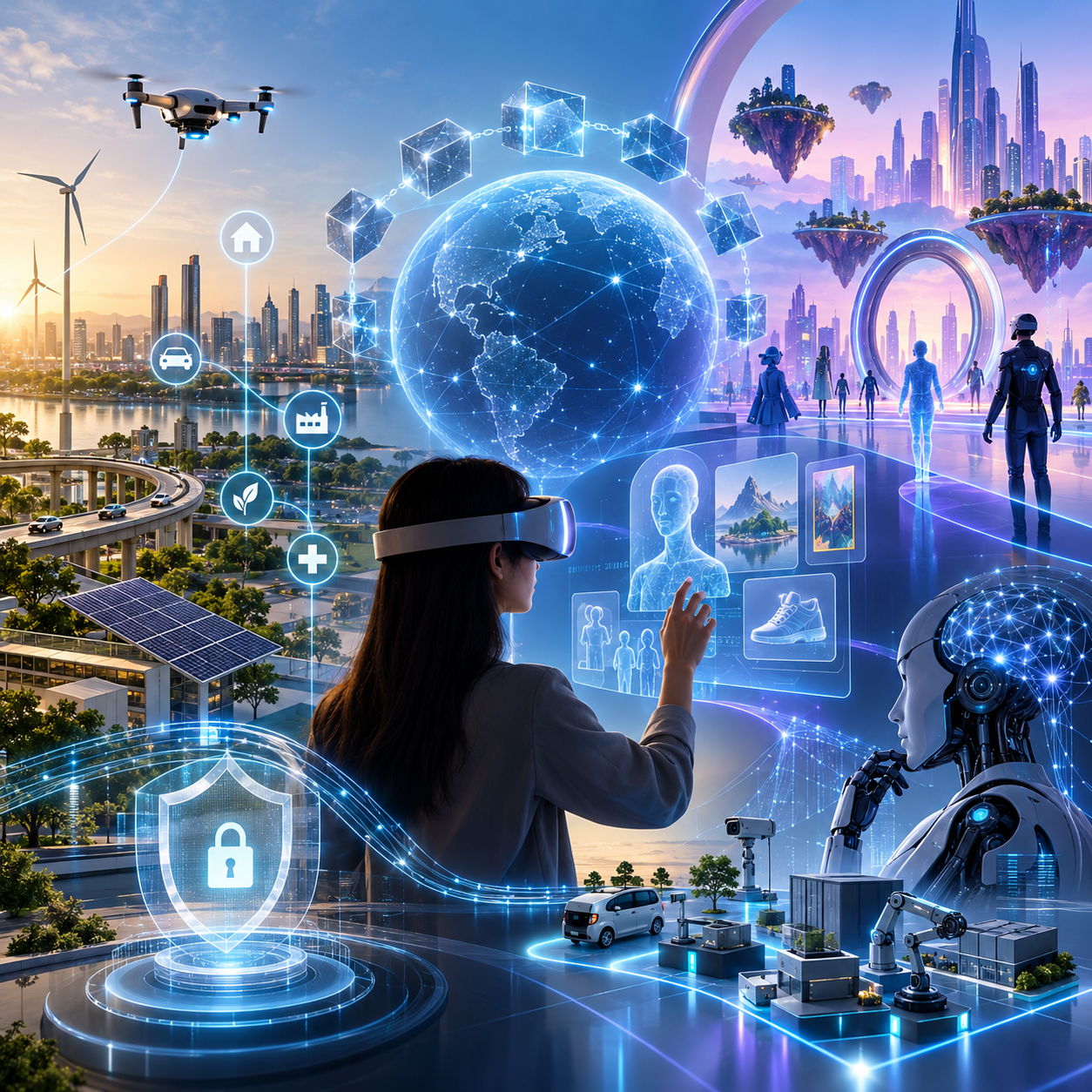
Technology is evolving at the intersection of Web3, artificial intelligence (AI), the Metaverse and the Internet of Things (IoT). Each technology offers significant opportunities on its own, but their convergence is creating new digital ecosystems where physical devices, virtual environments, blockchain networks and intelligent systems interact.
For businesses, this convergence also creates new legal and regulatory questions. Issues relating to data protection, cybersecurity, intellectual property, consumer protection, digital assets and AI accountability must increasingly be considered together.
Web3 and the Metaverse
The Metaverse refers broadly to immersive digital environments where users can interact through virtual or augmented reality technologies. Web3 can add decentralised ownership and digital identity mechanisms to these environments through blockchain technology, smart contracts, NFTs and digital assets.
For example, virtual assets such as digital land, collectibles or in-game items can potentially be represented using blockchain-based tokens. Smart contracts can automate transactions between participants without requiring a traditional intermediary.
However, the use of digital assets creates important legal considerations. Businesses must determine whether a particular token constitutes a Virtual Digital Asset (VDA) and whether activities involving it trigger taxation, anti-money laundering or other regulatory requirements.
AI in the Metaverse
AI can make virtual environments more interactive and personalised. AI-powered avatars can communicate with users, while intelligent systems can generate virtual environments, moderate content and analyse user behaviour.
This also creates concerns about transparency, privacy and accountability. If an AI-generated avatar provides misleading information or an automated moderation system incorrectly restricts a user, businesses may need to determine who is responsible for the outcome.
India’s emerging AI governance framework promotes principles including accountability, transparency, safety, fairness and human-centric development. These principles are particularly relevant where AI is integrated into consumer-facing virtual environments.
IoT and Web3
The Internet of Things connects physical devices to digital networks, allowing sensors, machines, vehicles and other objects to collect and exchange information.
Blockchain can potentially strengthen trust in IoT ecosystems by creating tamper-resistant records of transactions or device interactions. Smart contracts could also enable automated actions—for example, triggering a payment when a connected device confirms that a service has been delivered.
AI can then analyse the enormous amount of information generated by connected devices and identify patterns, predict failures or automate decisions.
The combination of IoT + blockchain + AI therefore has potential applications in supply chains, smart cities, healthcare, manufacturing, logistics and energy management.
Data Protection and Cybersecurity
The convergence of these technologies creates significant data-governance challenges. IoT devices can continuously collect information, AI systems can analyse large datasets and Web3 applications may permanently record certain information on distributed networks.
Businesses must therefore consider whether personal data is being collected or processed and identify their obligations under applicable data-protection laws, including India’s Digital Personal Data Protection Act, 2023.
Cybersecurity is equally important. A compromised IoT device could provide an attacker with access to a wider network, while vulnerabilities in smart contracts or AI systems could potentially result in financial or operational losses.
Other Frontier Technologies
The technology landscape extends beyond Web3, AI, IoT and the Metaverse. Quantum computing, digital twins, robotics, augmented reality, autonomous systems and edge computing are increasingly becoming part of enterprise technology strategies.
Each technology introduces its own legal questions. Quantum computing, for instance, may challenge existing encryption systems. Autonomous systems raise questions about liability and human oversight, while digital twins may involve extensive collection and processing of operational and personal data.
What Should Businesses Consider?
Organisations adopting frontier technologies should:
- conduct technology-specific risk assessments;
- identify applicable legal and regulatory requirements;
- establish data-governance frameworks;
- implement cybersecurity and access controls;
- assess third-party technology providers;
- document AI decision-making and human oversight;
- review intellectual-property rights; and
- establish clear contractual allocation of liability.
Conclusion
The convergence of Web3, AI, the Metaverse, IoT and other frontier technologies is creating new opportunities for businesses and consumers. At the same time, these technologies blur traditional boundaries between the physical and digital worlds.
Businesses should therefore approach technological innovation alongside privacy, cybersecurity, regulatory compliance and responsible governance. Building these safeguards into technology from the beginning can help organisations innovate confidently while reducing legal and operational risks in an increasingly interconnected digital economy.