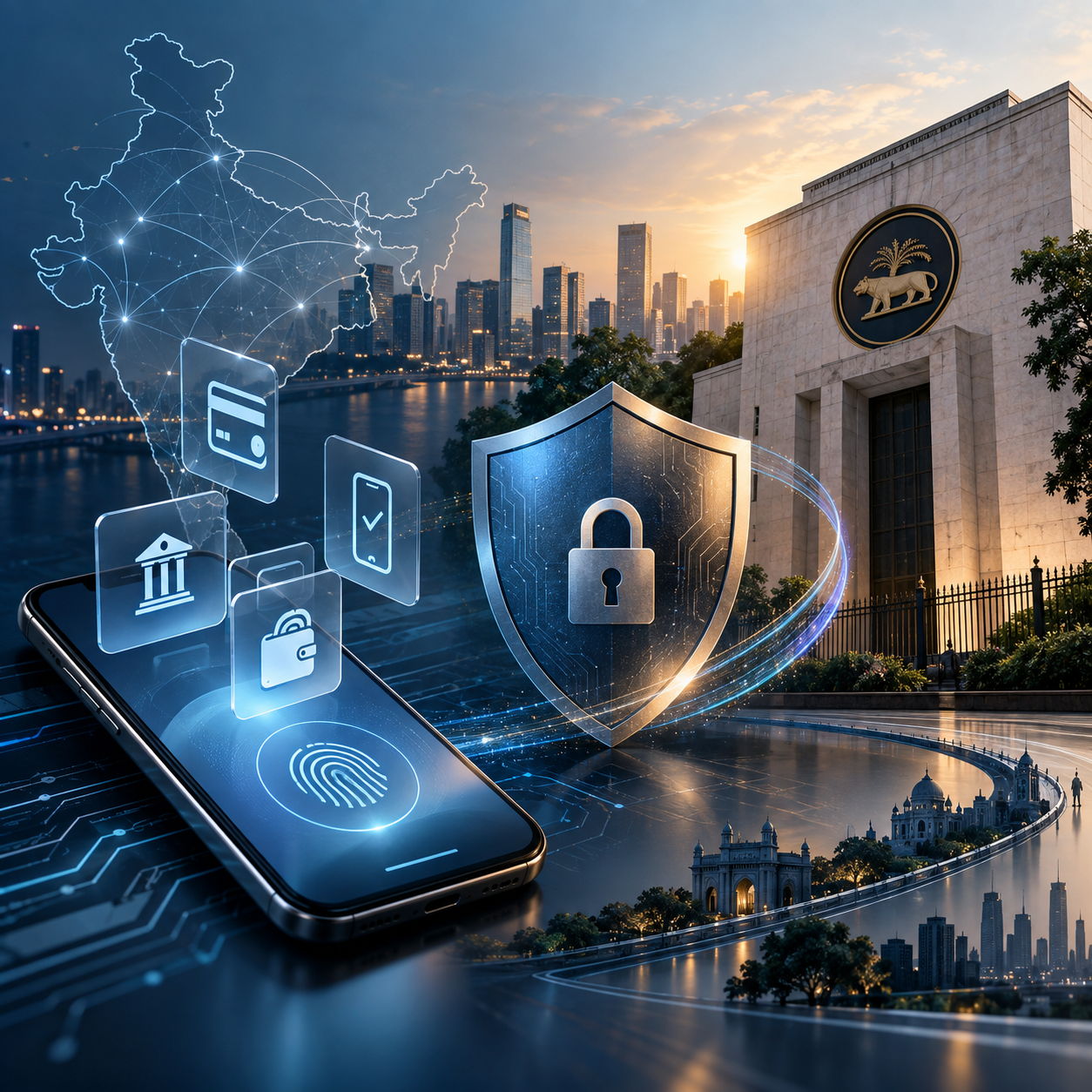


Cybersecurity is no longer limited to protecting computers and networks from traditional malware. Organisations today face increasingly complex risks involving ransomware, artificial intelligence, cloud infrastructure, APIs, software supply chains, quantum computing and other emerging technologies. As India’s national agency for responding to computer security incidents, the Indian Computer Emergency Response Team (CERT-In) plays an important role in helping organisations understand and respond to these evolving risks.
One of the resources provided by CERT-In is its collection of cybersecurity whitepapers. Under Section 70B of the Information Technology Act, 2000, CERT-In is empowered to issue guidelines, advisories, vulnerability notes and whitepapers relating to information security practices, prevention, response and reporting of cyber incidents.
What Are CERT-In Whitepapers?
CERT-In whitepapers are detailed publications that examine specific cybersecurity issues, threats, technologies or trends. Unlike a short security alert, a whitepaper generally provides broader analysis and context, helping organisations understand a particular cybersecurity challenge and consider appropriate mitigation strategies.
The subjects covered by CERT-In’s whitepapers have evolved alongside the changing threat landscape. Its current collection includes publications relating to ransomware, API security, quantum cyber readiness and sector-specific cyber threats.
For example, CERT-In, CSIRT-Fin and SISA have collaborated on the Digital Threat Report 2025–26, which examines current and emerging cyber threats affecting the Banking, Financial Services and Insurance (BFSI) sector and provides defence strategies and mitigation measures.
Emerging Technologies and Cybersecurity
CERT-In’s whitepapers also address cybersecurity challenges associated with emerging technologies.
A recent whitepaper on Transitioning to Quantum Cyber Readiness, developed by CERT-In in collaboration with SISA, provides organisations with a roadmap for preparing ICT infrastructure for the changes associated with quantum technologies.
Similarly, a joint whitepaper by CERT-In, CSIRT-Fin and Mastercard examined API Security: Threats, Best Practices, Challenges, and Way Forward Using AI. APIs have become essential to modern digital ecosystems, but poorly secured APIs can create significant attack surfaces and expose sensitive systems and information.
Why Should Businesses Read CERT-In Whitepapers?
Cybersecurity teams can use whitepapers as a source of threat intelligence, risk awareness and strategic guidance.
A whitepaper can help an organisation:
- understand emerging cybersecurity threats;
- identify risks associated with new technologies;
- evaluate existing security controls;
- develop cybersecurity policies and procedures;
- identify areas requiring further assessment;
- improve incident-response preparedness; and
- support cybersecurity awareness among management and technical teams.
CERT-In’s publications can therefore complement more immediate sources of security information, such as vulnerability notes and advisories.
Whitepapers vs. Mandatory Directions
It is important to distinguish CERT-In’s whitepapers from its binding directions.
The Cyber Security Directions issued under Section 70B impose specific requirements on covered entities concerning information security practices, prevention, response and reporting of specified cyber incidents.
Whitepapers, on the other hand, primarily provide research, analysis and practical knowledge. They should not automatically be treated as legally binding requirements unless a separate law, regulation, contractual requirement or direction makes a particular measure mandatory.
How Organisations Can Use Them
Businesses should periodically review CERT-In’s whitepaper repository and identify publications relevant to their industry and technology environment. Key recommendations can then be evaluated against existing cybersecurity policies, risk assessments and technical controls.
For larger organisations, relevant findings can also be incorporated into board-level cybersecurity reporting, risk registers, security assessments and employee awareness programmes.
Conclusion
CERT-In whitepapers provide valuable insight into India’s evolving cybersecurity landscape. By addressing both established threats and emerging technologies, they help organisations move beyond reactive incident management towards proactive cybersecurity planning and resilience.
Businesses should therefore treat CERT-In whitepapers as an important source of cybersecurity knowledge—particularly when evaluating new technologies, emerging threats and changes to their digital infrastructure. Regularly reviewing such resources can help organisations identify risks earlier, strengthen their security posture and remain better prepared for the next generation of cyber threats.